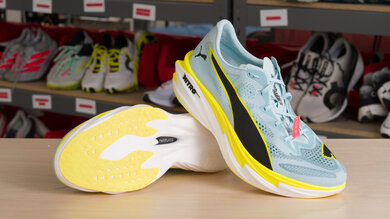
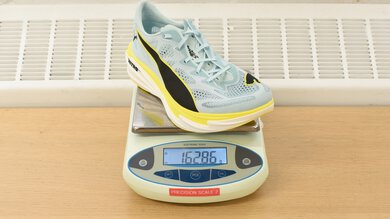
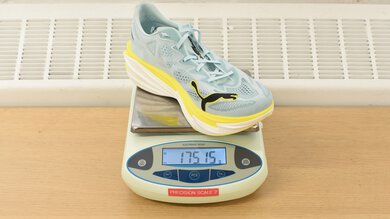
The PUMA Deviate NITRO Elite 4 is a carbon-plated racing shoe built as a lighter, more approachable counterpart to the more aggressive PUMA Fast-R NITRO Elite 3. It uses a full-length carbon plate, paired with PUMA's new A-TPU-based NITROFOAM Elite midsole that offers a protective feel. Compared with the previous version, reduced outsole coverage and a more stripped-down upper give it a lighter, more nimble feel. Its relatively straightforward geometry gives it a natural, highly capable ride that makes it a great all-round race-day shoe for most runners, especially if you want top-tier performance without the aggressive, elite-style mechanics that the Fast-R demands.
Our Verdict
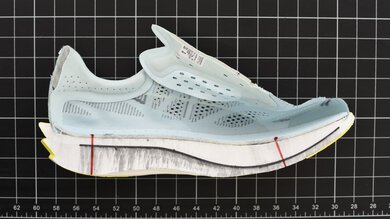
The PUMA Deviate NITRO Elite 4 is excellent for marathon racing. Its very light build, protective cushioning, and carbon plate make it feel efficient and well-suited to long-distance racing, while the energetic midsole gives it the rebound needed to hold faster paces over time. Its main limitation is stability, as it isn't the most stable shoe overall, but it still feels quite planted for a high-stack super shoe thanks to its plate and relatively controlled geometry. Also, its high-drop design leaves the forefoot with a lower stack, so it has more ground feel than most marathon super shoes.
NITROFOAM ELITE delivers great energy return.
Lightweight race-day build.
Protective cushioning holds up over long efforts.
Carbon plate adds some snap.
The PUMA Deviate NITRO Elite 4 delivers impressive performance for 5K and 10K racing. Its low weight, carbon plate, and firm, responsive forefoot help it feel quick and efficient when you pick up the pace. This shoe isn't as aggressive as a specialized short-distance racer, but it has a versatile racing range that does extend to both ends of the spectrum.
NITROFOAM ELITE delivers great energy return.
Lightweight race-day build.
Carbon plate adds some snap.
Changelog
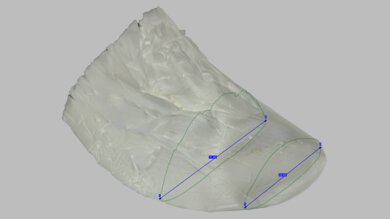
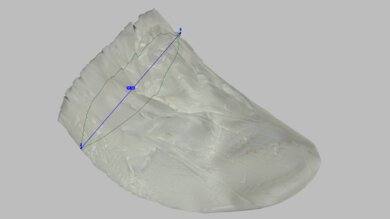
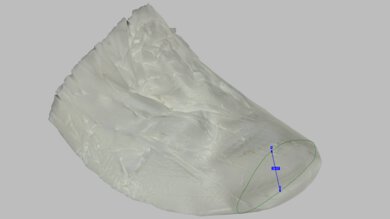
- Updated Sep 24, 2026: We've converted this review to Test Bench 0.13, which identifies the different foams used in the shoe's midsole. We've included a microscopic image of the foam cells to give you an idea of what the microstructure looks like. To read more about the changes, see the changelog.
- Updated Sep 15, 2026: We've converted this review to Test Bench 0.12, which fixes how we measure firmness, a component of the Stability and 5K/10K Racing usages. There may be inconsistencies between the text and the scores for these usages, but the scores should still be considered valid. We've also brought back the Energy Return score and added two new usages: Daily Training and Long Run. To read more about the changes, see the changelog.
- Updated Sep 11, 2026: We've converted this review to Test Bench 0.11, adding two new rocker measurements to the Design section, and three new responsiveness tests to the Performance section. The Energy Return usage score has been replaced with Responsiveness. Check out the details in our changelog.
-
Updated Jul 09, 2026:
We fixed a bug where the heel firmness graph wasn't properly showing in the review.
-
Updated Jun 03, 2026:
We corrected an error in the Length Fit test in the Design section. The shoe fits true to size, rather than short as previously scored, so we also updated the True to Size usage box to reflect this change.
- Updated Apr 29, 2026: Review published.
- Updated Apr 23, 2026: Early access published.
- Updated Mar 27, 2026: Our testers have started testing this product.
- Updated Feb 19, 2026: The product has arrived in our lab, and our testers will start evaluating it soon.
- Updated Feb 17, 2026: We've purchased the product and are waiting for it to arrive in our lab.

We've bought and tested more than 300 running shoes. Every pair purchased with our own money, never supplied or sponsored by brands. Our data-driven tests are designed to go beyond marketing claims, and since every shoe goes through the exact same methodology, you can directly compare results to find the right pair for your needs.
Test Results
Energy Return

Stability
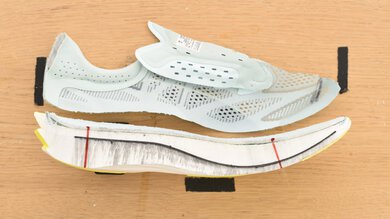
The PUMA Deviate NITRO Elite 4 is quite stable for a racing shoe. Its carbon plate and firmer forefoot help keep the platform steady and provide some control when rolling forward. However, the platform isn't the widest, and the softer heel makes it less confidence-inspiring for runners who need a very planted feel, especially around corners or when fatigue sets in.
Softer heel foam.
Narrow heel platform.


Cushioning
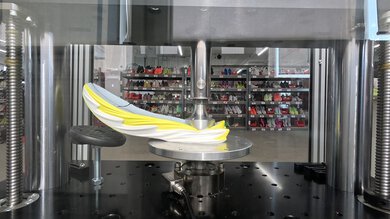
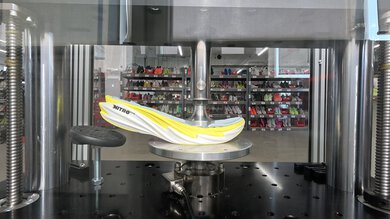
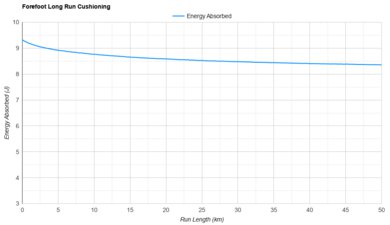
The PUMA Deviate NITRO Elite 4 has excellent cushioning. It offers strong impact protection under both the heel and forefoot, and its high-stack midsole stays protective even when you apply a lot of force into the ground. While it does show an initial drop in shock absorption, the decline becomes more gradual after that, so it remains protective enough for marathon racing and long, sustained efforts. However, some marathon super shoes still feel plusher underfoot, especially deep into longer runs.
Protective cushioning holds up over long efforts.


Responsiveness
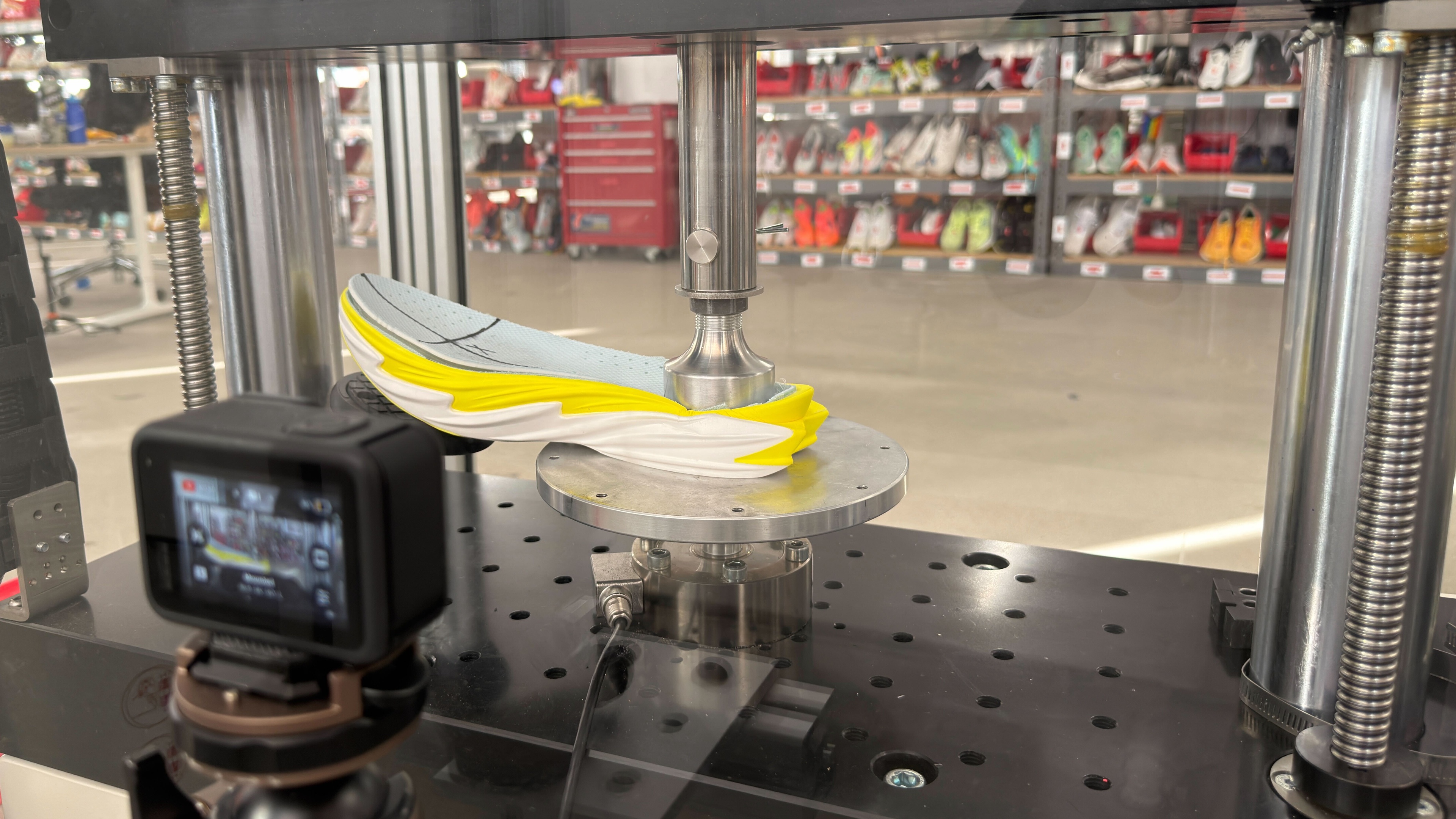
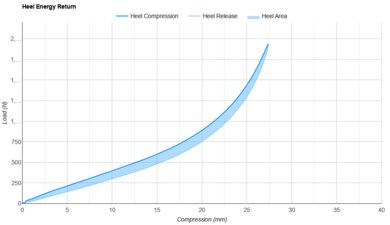
The PUMA Deviate NITRO Elite 4 has great energy return. Its midsole feels lively under both the heel and forefoot, with enough rebound to support fast workouts and race-day efforts. The forefoot gives it a responsive push-off, while the heel also returns a strong amount of energy, making the shoe suitable for different strike patterns.
NITROFOAM ELITE delivers great energy return.


True To Size
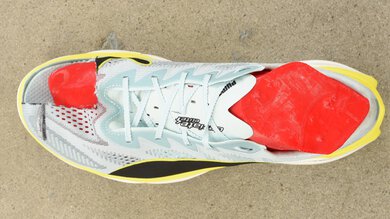
The PUMA Deviate NITRO Elite 4 fits true to size overall. It has an accommodating forefoot and arch area for a race shoe, with enough width and height up front to avoid the overly cramped feel found in many carbon-plated models. Therefore, you can confidently go with your usual size without needing to size up or down.
Good toebox volume.
Could use slightly more length.


Popular Running Shoe Comparisons
The PUMA Deviate NITRO Elite 4 is a carbon-plated racing shoe that pairs a more approachable geometry with top-tier performance. In the broader market, it stands out because it feels light and efficient without the same aggressive design as some more radical super shoes. It has a similar appeal to shoes like the HOKA Rocket X 3 and Diadora Gara Carbon 2, since those models also deliver great performance with a friendly geometry, but the PUMA is a lot lighter. That's part of the appeal: a good racing shoe is one you don't think about while running, and this one almost disappears on foot. The New Balance FuelCell SuperComp Elite v5 is another approachable super shoe, with the added benefit of multiple width options, but it's a lot less cutting-edge overall.
Within PUMA's racing lineup, the Deviate NITRO Elite 4 is the best choice for most people: still PB-ready, very light, and highly efficient, but with a straightforward geometry. Above it is the PUMA Fast-R NITRO Elite 3, which features a more aggressive decoupled midsole and is better suited to fast athletes with strong running mechanics who land closer to the forefoot. Meanwhile, the PUMA Deviate NITRO 4 (non-elite version) is a plated trainer built more for workouts than pure racing.
If you're looking for more options, take a look at our recommendations for the best running shoes, the best long-distance running shoes, and the best shoes for running a marathon.
The ASICS METASPEED EDGE TOKYO is a better long-distance racing choice than the PUMA Deviate NITRO Elite 4 if maintaining cushioning over distance matters most. It preserves more forefoot impact protection during extended efforts while remaining slightly lighter and more stable. Its firmer forefoot also suits runners who prefer less give underfoot. The PUMA is a better alternative if fit is the deciding factor. It offers more width around the toes and through the arch, whereas the ASICS is short and narrow. The PUMA also provides stronger initial heel cushioning.
The PUMA Deviate NITRO Elite 4 and PUMA Deviate NITRO 4 are closely related but serve different roles. The Deviate NITRO Elite 4 is the full super shoe, using a carbon plate with a lighter build, more energetic foam, and more cushioning, but it is also less stable as a result. The Deviate NITRO 4 is the plated trainer, making trade-offs across those same areas with slightly less cushioning, less energy return, and a bit more weight, but a more stable platform overall. It’s still performance-oriented enough for workouts, fast paces, and even racing if you’re not chasing elite times. However, if you can splurge, the Elite makes more sense because it can cover both workouts and race day without the same performance compromise, aside from the usual trade-off of using a more expensive super shoe more quickly.
The PUMA Deviate NITRO Elite 4 is a better marathon racer than the adidas Adizero Adios Pro 4 for most runners. It's lighter and more predictable underfoot while still being very efficient. The adidas is bouncier up front, especially if you land on the front of your foot, but its aggressive shape and large cutout in the sole make it feel less conventional.
The PUMA Deviate NITRO Elite 4 and Nike Vaporfly 4 are two very light super shoes, but they feel optimized for different racing needs. The Nike is lower-stacked and lighter, with a firmer forefoot that creates a more classic, snappy racing feel and better ground connection, making it better suited to shorter, faster efforts than long-distance protection. The PUMA is still very light, but its foam feels more forgiving and protective, giving it a more comfortable ride across a wider range of race distances.
The PUMA Deviate NITRO Elite 4 is a better choice than the adidas Adizero Adios Pro 5 for runners who want a firmer racing shoe that's better suited to short races. The two weigh almost the same, but the PUMA leaves more space through the arch and above the toes. It also returns more energy at the heel while offering comparable impact protection. The adidas is better if you prefer a softer forefoot and a wider platform for more security. Its forefoot cushioning also holds up slightly better over longer efforts.
The PUMA Deviate NITRO Elite 4 is a better marathon racer than the ASICS MEGABLAST. Despite being significantly less cushioned, its bouncier platform returns a bit more energy, which, combined with its significantly lighter build, makes it easier to turn over at race pace. It's the better pick if you're chasing a personal best. However, the PUMA's plated design is much less suited to daily miles, while the ASICS is significantly more stable and better if you want a fast shoe that can handle racing and weekly miles.
The PUMA Deviate NITRO Elite 4 and PUMA Fast-R NITRO Elite 3 target different runners. The Fast-R is much more aggressive, with stronger forward assistance that works especially well for forefoot strikers. Though neither shoe is particularly stable, the Deviate NITRO Elite 4 is more stable overall and is easier to use across a wider range of runs. Get the Fast-R for maximum race-day performance; get the Deviate NITRO Elite 4 for greater versatility.
The Li-Ning Feidian 6 Elite is a better marathon racer than the PUMA Deviate NITRO Elite 4. It has significantly better energy return, so it's more efficient through each stride, and its deeper cushioning keeps your legs much better protected over the marathon distance. It's also significantly more stable, making it easier to trust late in the race. However, the PUMA is much lighter, so it's the better pick if you're looking for a short-distance racer.
The Kiprun Kipstorm Challenger and PUMA Deviate NITRO Elite 4 are both accessible carbon-plated racers, with a few key distinctions. The Kiprun is the more accessible shoe overall, suitable when you want a less aggressive race-day ride. The PUMA is the nimbler, slightly more cushioned shoe that's more responsive and a more capable racer. The Kiprun is the pick if you want a more laid-back race-day option, while the PUMA is the pick if you want a full-on race-day weapon.
The PUMA Deviate NITRO Elite 4 and HOKA Clifton 10 sit in completely different parts of a rotation. The HOKA is a daily trainer built for easy running, with a consistent, reliable, and stable ride that works well for relaxed mileage, though it isn't especially light or efficient. The PUMA is engineered for race-day efficiency, with a very light build, highly energetic cushioning, and enough protection to help preserve your legs while providing the propulsion needed to reach the finish line faster.
The On Cloudboom Volt and PUMA Deviate NITRO Elite 4 are both carbon-plated race shoes, but they target different runners. The PUMA is significantly lighter and pairs a more responsive midsole with a more aggressive rocker geometry, making it quicker and more efficient across race distances. The Cloudboom Volt delivers a firmer, more recognizably On ride, but lacks the responsiveness and race-day efficiency of the PUMA.
The PUMA Deviate NITRO Elite 4 and Kiprun Kipstorm Elite are both super shoes for racing, but the PUMA is the more well-rounded option overall. It's much lighter, its foam feels bouncier, and that combination results in a more efficient ride that better translates energy into forward motion. The Kiprun counters with a more stable platform that feels more approachable, especially for runners who prefer a less aggressive geometry. It also features a lower heel-to-toe drop.
The PUMA Deviate NITRO Elite 4 and PUMA Fast-FWD NITRO Elite 2 are two super shoes by the same brand, but they serve very different purposes. The Deviate is the more versatile and approachable option for most runners, with much more cushioning, a more responsive ride, a more forgiving fit, and enough protection to handle everything from shorter races up to the marathon. The Fast-FWD is significantly lighter and more focused for 5K and 10K racing, with a lower, firmer, more stripped-back ride that feels closer to a modern racing flat. That said, it gives up a lot in protection, comfort, and range, so it's not suitable for long runs or longer races.
Differences Between Sizes And Variants
We tested the PUMA Deviate NITRO Elite 4 in men's U.S. size 9, as indicated on the label of our unit. The specific colorway shown here is Fresh Water-Lemon Crush-PUMA Black-PUMA White. This model is available in multiple colorways, including Poison Pink-Yellow Alert-Bright Aqua, and a Run Club edition in NITRO Blue/Fizzy Apple in Jasmine Flower-Lucite-Almost Apricot, though showing up to your local run club in carbon-plated race shoes may earn you a few looks.

PUMA also released a special HYROX edition in Pure Pink-Electric Orchid-Deep Plum. It differs slightly from the model we tested, most notably with an adapted rubber grip, though don't expect it to magically shave time off your sled push. Wide versions are not currently offered. Most of our review results are valid for all variants, though the design section applies only to the model we tested. We expect other size and gender variants to perform similarly.