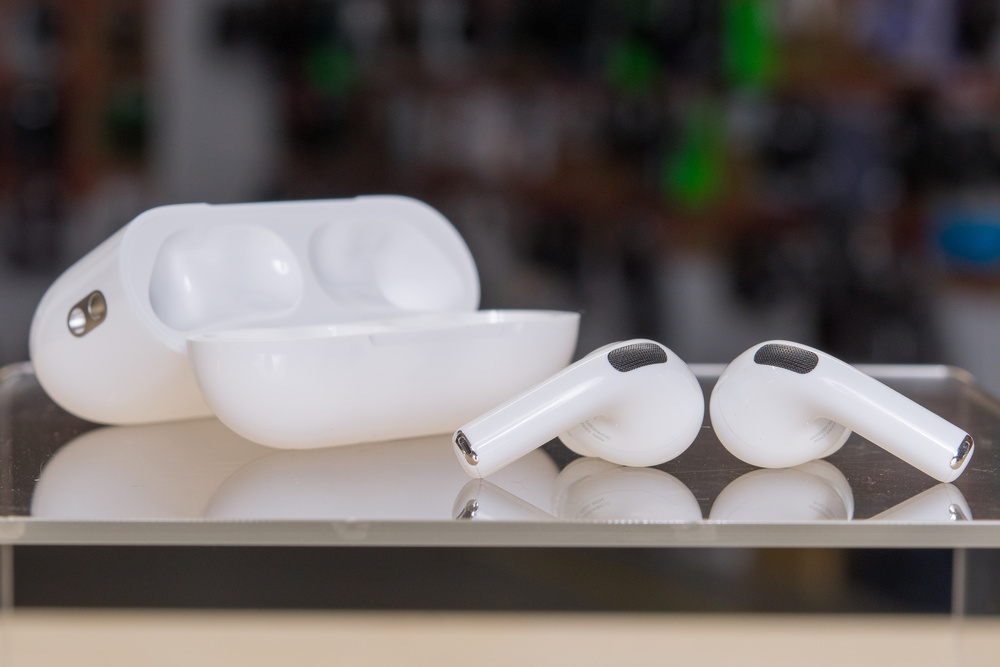
The Apple AirPods Pro 3 are the highly anticipated 2025 update to the Apple AirPods Pro 2. Packed with technological updates, including heart rate monitors, the IP57-rated earbuds promise superior noise cancellation (ANC). With the bar set against the brand's own existing products as the standard to beat, it's difficult to find fault with this entry of the AirPods line, as they iterate or improve upon every spec from the last gen, except the usual limitations for people who don't own iPhones. Still, the tuning has changed with these, and there's no conventional equalizer, so the new tuning may come as a surprise to owners of the previous model.
Our Verdict
The Apple AirPods Pro 3 are impressive for sports and fitness use. These earbuds have a comfortable and stable fit. They provide a solid amount of thump without overwhelming the rest of your audio's mix, so you can motivate your workout and move in time. The buds and case have an IP57 rating against dust and water, so they can handle water spills on them, though they're not rated specifically for sweat resistance. Their heart rate monitors can sync with your Apple Fitness+ membership for live analytics monitoring of your caloric burn and heart conditioning. To meet your demands when working out in different spaces (gyms or outdoors), you can choose listening modes to either block everything out with ANC, or keep listening to your tunes and trainer via one of the adjustable Transparency modes. Still, some of these features are limited to iOS devices, so Android users miss out on the full potential of the earbuds' tech.
Outstanding noise isolation performance with a variety of adjustable modes.
IP57 rating for the buds and case.
Long continuous battery life.
Heart monitors with app integration.
Adaptive EQ encourages listening at safer volume levels.
Plenty of features are still limited to iOS.
No conventional equalizer to fine tune the sound.
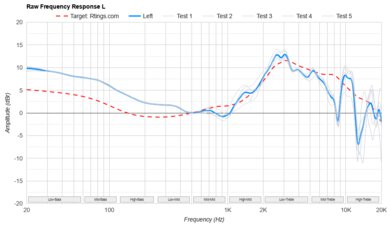
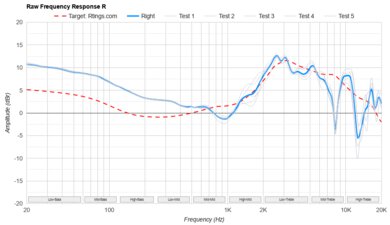
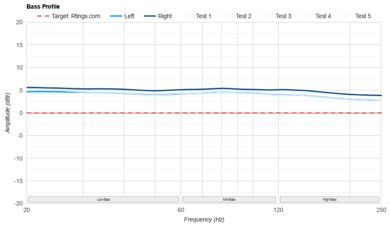
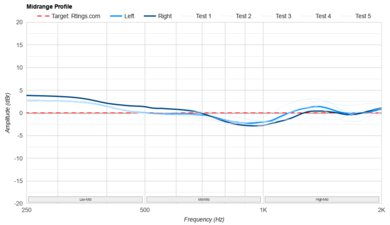
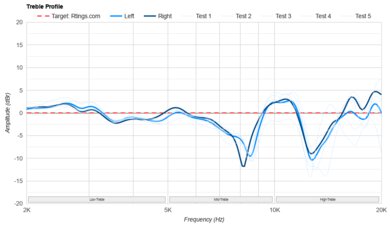
The Apple AirPods Pro 3 are amazing for travel. Their ANC and isolating design result in outstanding performance when it comes to filtering out engine, cabin din, traffic, and conversations. Plus, you can modify your listening settings to let you track airport announcements through the various Transparency modes. The continuous battery life of nine hours ought to get you through moderate-length flights, and the extra two charges in the case will certainly help extend playback for anything longer. Their light and portable design means they don't take up much real estate in your bag, and they feel comfortable. They also include a variety of features like Adaptive EQ and a volume limiter to help control playback volume. The frequency response delivers a smooth low-end with an even mid-range and a treble that's a bit uneven, but overall, it follows our target well. That said, many of the features and modifications you can make are exclusive to compatible Apple products.
Outstanding noise isolation performance with a variety of adjustable modes.
IP57 rating for the buds and case.
Long continuous battery life.
Adaptive EQ encourages listening at safer volume levels.
Plenty of features are still limited to iOS.
Mic performance highly dependent on connected device.
No conventional equalizer to fine tune the sound.
The Apple AirPods Pro 3 are great for office work. Their ANC is remarkably effective at attenuating keyboard strokes and nearby chit-chat, and the battery life of nine hours will get you through the shift. The sound profile offers a clear tuning that works for music and podcasts, though you can't do much besides use the tone slider to change the EQ. They're comfortable and stable earbuds, though they fit a bit deeper in your ears than the previous generation. That said, some features are optimized for use with Apple products, so their performance is dependent on what you're connected to. Connecting to your office PC for online meetings will likely result in a more muffled microphone performance than when you connect to Apple devices, for example. Similarly, seamless device switching is limited to the brand's devices on the same iCloud account.
Outstanding noise isolation performance with a variety of adjustable modes.
IP57 rating for the buds and case.
Long continuous battery life.
Adaptive EQ encourages listening at safer volume levels.
Plenty of features are still limited to iOS.
Mic performance highly dependent on connected device.
No conventional equalizer to fine tune the sound.
The Apple AirPods Pro 3 are Bluetooth only and aren't meant for wireless gaming. They also don't include low-latency modes. That said, you can use them for casual mobile gaming, especially if audio latency isn't a concern.
The Apple AirPods Pro 3 are wireless earbuds and can't be used for wired gaming purposes.
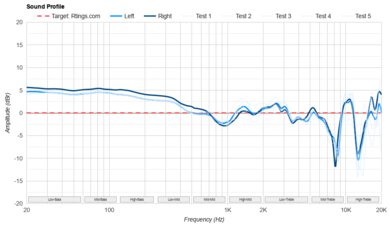
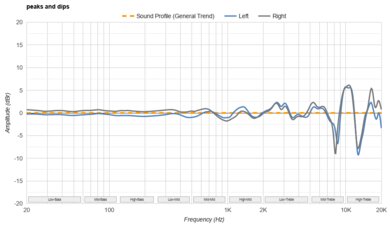
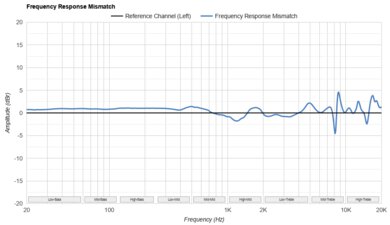
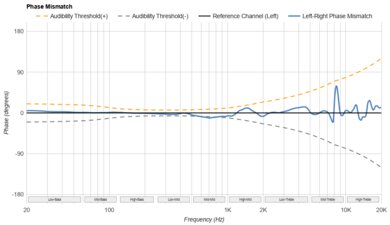
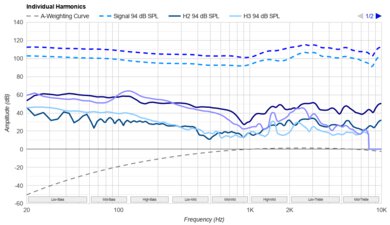
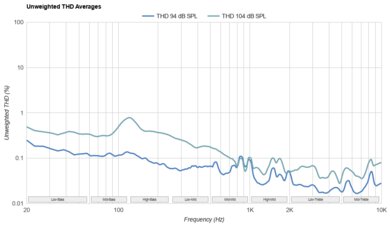
The Apple AirPods Pro 3 are decent for audio reproduction accuracy. Their tuning delivers bass and mids that closely comply with our target. Their treble is a bit more uneven, with a couple of peaks and dips that can make narrow frequencies sound a bit exaggerated or somewhat masked relative to one another. However, overall, the treble range also follows our curve well. The L/R earbuds are very tightly matched, leading to a stable stereo image, while the earbuds' low harmonic distortion ensures audio reproduction is unaffected by unwanted timbral coloration.
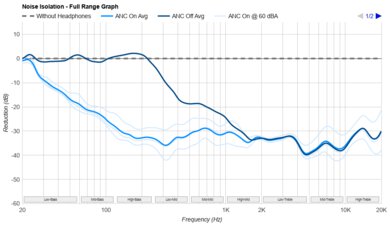
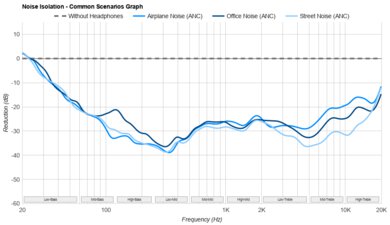
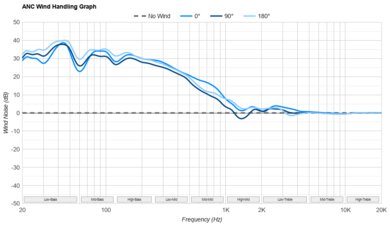
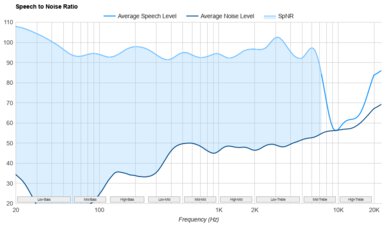
The Apple AirPods Pro 3 are incredible at noise isolation. The onboard ANC system comprehensively filters out low-pitched noises like engine rumbles and traffic sounds. Meanwhile, the revised ear tips and deeper in-ear fit help to effectively isolate high frequencies like dish clatter. Plus, you can modify the strength of ANC to suit your situation through the Settings menu.
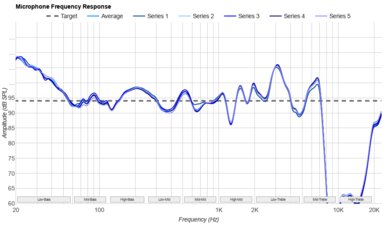
The Apple AirPods Pro 3 have a mediocre microphone performance, largely due to their inconsistent performance with different devices. While they're capable of performing well when paired with an iOS device, which greatly improves the captured audio's fidelity and noise rejection, their mic quality highly depends on the device you use with them. Articulation and clarity are negatively impacted by comparison when the buds connect to non-Apple devices.
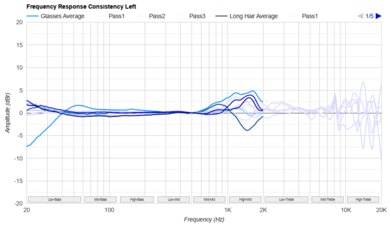
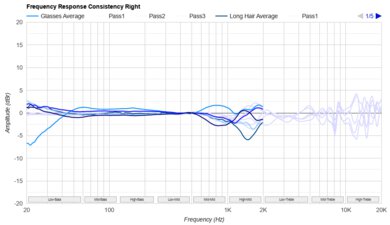
The Apple AirPods Pro 3 demonstrate fantastic frequency response consistency. You can expect a predictable sound between listening sessions. The fit test will help you find the correct size of ear tips, too.
Performance Usages
Changelog
-
Updated Oct 05, 2026:
We referenced the Apple AirPods 5 in the Stability box.
-
Updated Jun 23, 2026:
We've added some information from the now-removed Virtual Soundstage test to the App Support box.
- Updated Jun 23, 2026: This review has been updated to Test Bench 2.3, which removes the Virtual Soundstage, Base/Dock, and some comparisons from Bluetooth Connection. Have a look at our changelog for more info.
-
Updated Apr 22, 2026:
We added a reference to the Apple AirPods Max 2 in the Comfort box.
Check Price
Differences Between Sizes And Variants
The Apple AirPods Pro 3 only come in one color, 'White.' Here's our unit's label.
If you encounter another variant of these headphones, please let us know in the comments, and we'll update our review.
Popular Headphone Comparisons
The Apple AirPods Pro 3 are situated at the intersection of audio and tech, having infused top-tier noise cancelling, hearing aid tech, live translation, and Apple's Spatial Audio. Their most obvious competitor is the previous Apple AirPods Pro 2, which are still a solid entry, but across the board, specs see improvements on the third generation, even if they share many of the same software features. Google added similar OS and device-exclusive features like live translation and automatic volume-dependent frequency response changes with the Google Pixel Buds Pro 2. Since many of these attractive details on both Apple and Google earbuds are reserved for owners of compatible devices, your preferred pick will likely depend on which smartphone you already own.
Outside of convenient, luxury features like heart rate monitors, the AirPods Pro 3 have stellar ANC, edging out the likes of the Sony WF-1000XM5 and the Bose QuietComfort Ultra Earbuds (2nd Gen), though these offer greater scope for tuning the sound profile and higher quality Bluetooth codecs with OS-agnostic companion apps.
For more recommendations, check out the best wireless earbuds, the best noise cancelling earbuds, and the best earbuds for iPhones.
The Apple AirPods Pro 3 are better than the Apple AirPods 4 for most people. Thanks to the class-leading noise cancelling onboard the AirPods Pro 3, they're more versatile for use in noisy spaces without prompting you to raise the volume level, which can happen with the AirPods 4. The AirPods Pro 3's ear tips also provide a more secure fit than the one-size-fits-most design of the AirPods 4. That said, the AirPods 4 share a lot of similar features exclusive to the Apple ecosystem, like seamless device switching, pressure-sensitive controls on the stems, spatial audio, and 'Find My' tracking.
The Apple AirPods Pro 3 are better than the Apple AirPods Pro 2, and you can read our more in-depth comparison. The AirPods Pro 3 improve on the last generation with longer continuous playback, a higher IP57 rating for the buds and case, and improved ANC. Their fit has changed, and they're comfortable and more secure with heart monitors. But if you prefer a fit that doesn't sit as deeply in your ears, you may prefer the AirPods Pro 2. The tuning of neither is easily modified without a third-party app, so if you prefer a smoother sound, the AirPods Pro 2's frequency response has fewer peaks and dips, while the AirPods Pro 3 deliver a heftier bass with a relatively more excited top-end. To keep perspective, the AirPods Pro 2 still have fantastic ANC, even if it's not as powerful, and both support spatial audio.
The Apple AirPods Pro 3 and the Sony WF-1000XM6 have similar strengths, so choosing between them will come down to what devices you already own and the features you most value. Both buds offer top-tier noise isolation that provides plenty of attenuation across the entire frequency range. The Apple are more comfortable, better-built, and more stable for runs, plus their design will suit a great variety of ear shapes. That said, features like the heart rate monitor and hearing aid function are only available to iOS users, and there's no graphic EQ or presets regardless of your operating system. In this sense, the Sony are more customizable, and their Bluetooth LE compatibility gives you more connection options, while future-proofing you somewhat. Both buds have a warm sound profile by default, though the Sony boost the bass a bit more than the Apple.
The Apple AirPods Pro 3 and Samsung Galaxy Buds4 Pro are similar products technologically, but they cater to two different audiences. While you can use either device on Android or iOS devices, each locks most customization and functionality unless you're in the corresponding ecosystem. The Apple lock most customization, live translate, and their heart-rate monitor behind iOS, while Samsung's Hi-Res Samsung Seamless Codec only works with compatible devices from the brand. If you don't care about the brand-exclusive features, both are still neck-and-neck. The Apple have better noise isolation performance and longer battery life, while the Samsung have a somewhat smoother sound profile and better overall build.
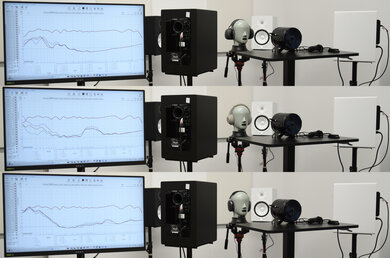
Our How We Test Headphones article takes you behind the scenes in our lab. You'll learn how we choose and purchase products and dive into the details of our review philosophy, from testing and scoring to writing and editing.
You can also discover how we produce recommendations like this one so that you can find the best headphones (or earbuds!) for your needs.
Test Results

for pictures & test results
for pictures & test results
for pictures & test results

for pictures & test results

for pictures & test results