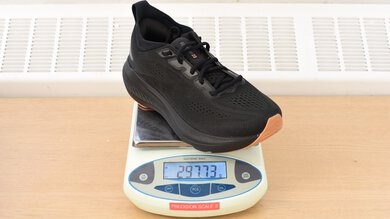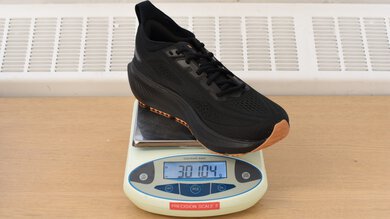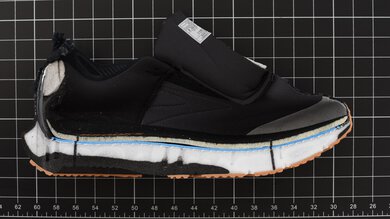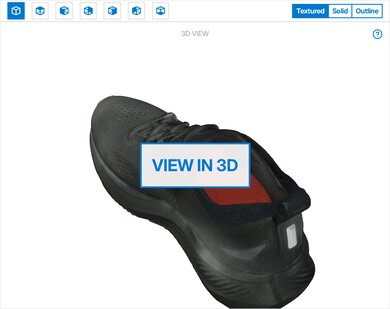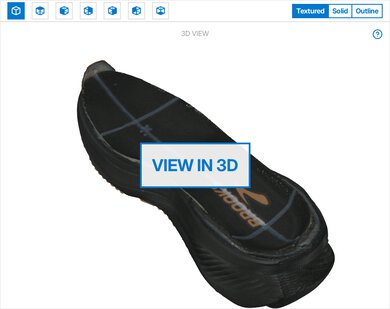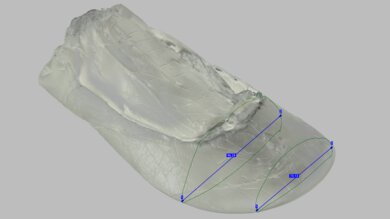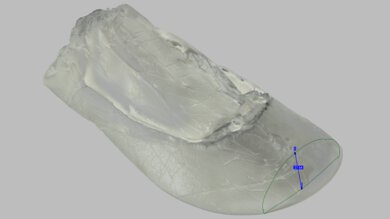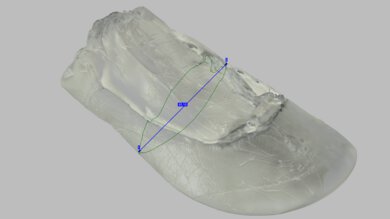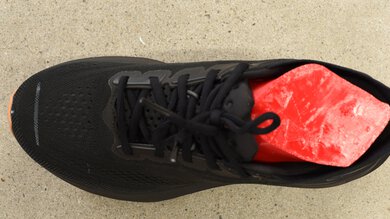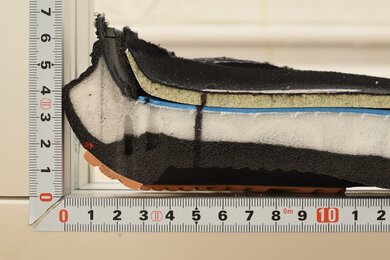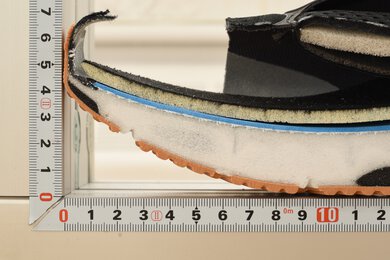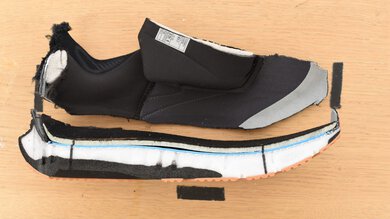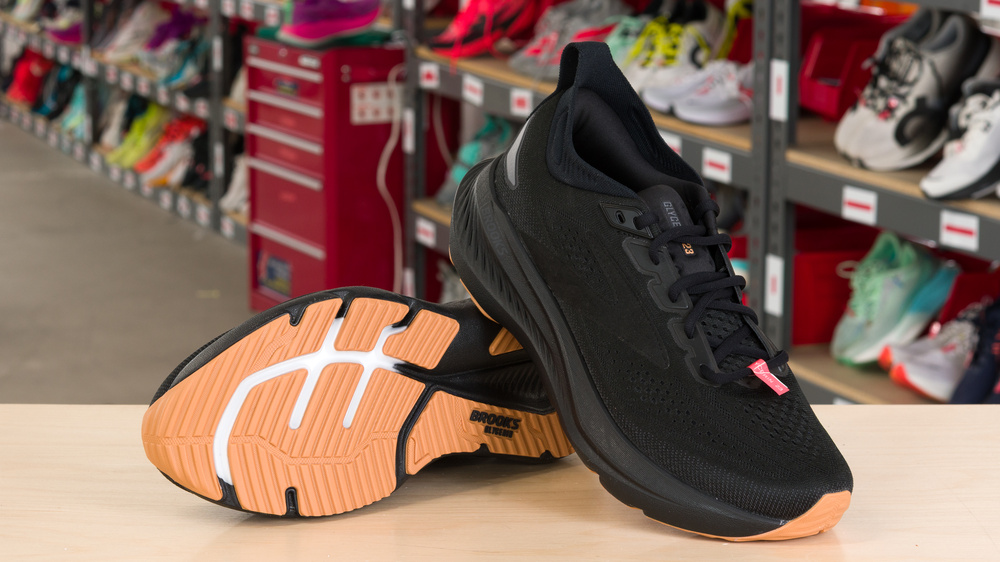
The Brooks Glycerin 23 is a premium daily trainer that continues the series' well-earned reputation for everyday comfort. There have been several significant changes since the Brooks Glycerin 22, including an increase in stack height and a slight decrease in the heel-to-toe drop. Nevertheless, this shoe is still designed for heel strikers and uses Brooks' method of injecting nitrogen to create larger foam cells under the heel, while the forefoot has smaller, denser cells. The biggest change to this version of the Glycerin is the upper, which seeks to strike a balance between sock-like flexibility and supportive structure. That said, the triple jacquard mesh is quite thick and could become uncomfortably hot in the summer months or while running indoors on the treadmill.
Our Verdict
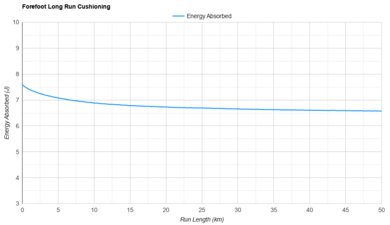
The Brooks Glycerin 23 is a sub-par shoe for running a marathon. While the added stack height does give you more of a buffer from the repeated pounding of the pavement, the cushioning bottoms out over longer distances. The lack of energy return from the midsole, combined with the shoe's weight, also makes it feel sluggish on tired legs, and the thick upper could be aggravating as your foot swells late in the race.
Heavy construction makes the shoe feel sluggish.
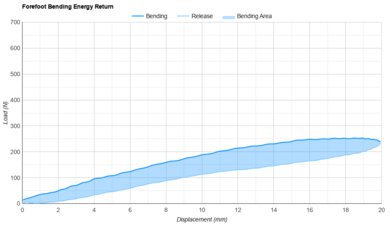
Minimal energy return from midsole.
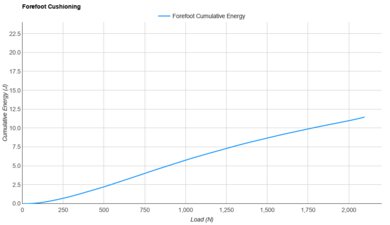
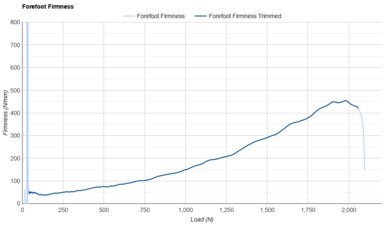
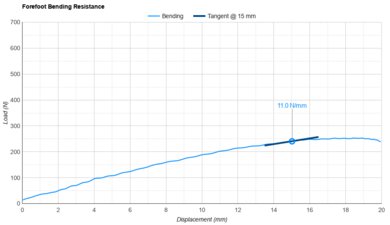
Forefoot bottoms out over longer distances.
The Brooks Glycerin 23 isn't built for racing, and its limitations are particularly obvious in short or middle-distance races. The shoe is much better at absorbing energy than bouncing it back, and its construction is too heavy for serious competition.
Heavy construction makes the shoe feel sluggish.
Minimal energy return from midsole.
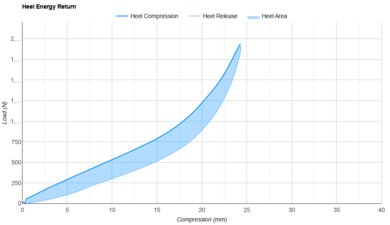
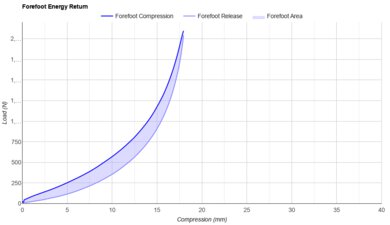
The Brooks Glycerin 23 has poor energy return. The heel in particular is designed to absorb impact, and it can feel like an energy sink. The forefoot is designed to be firmer for toe-off, but this isn't paired with any noticeable bounce.
Minimal energy return from midsole.
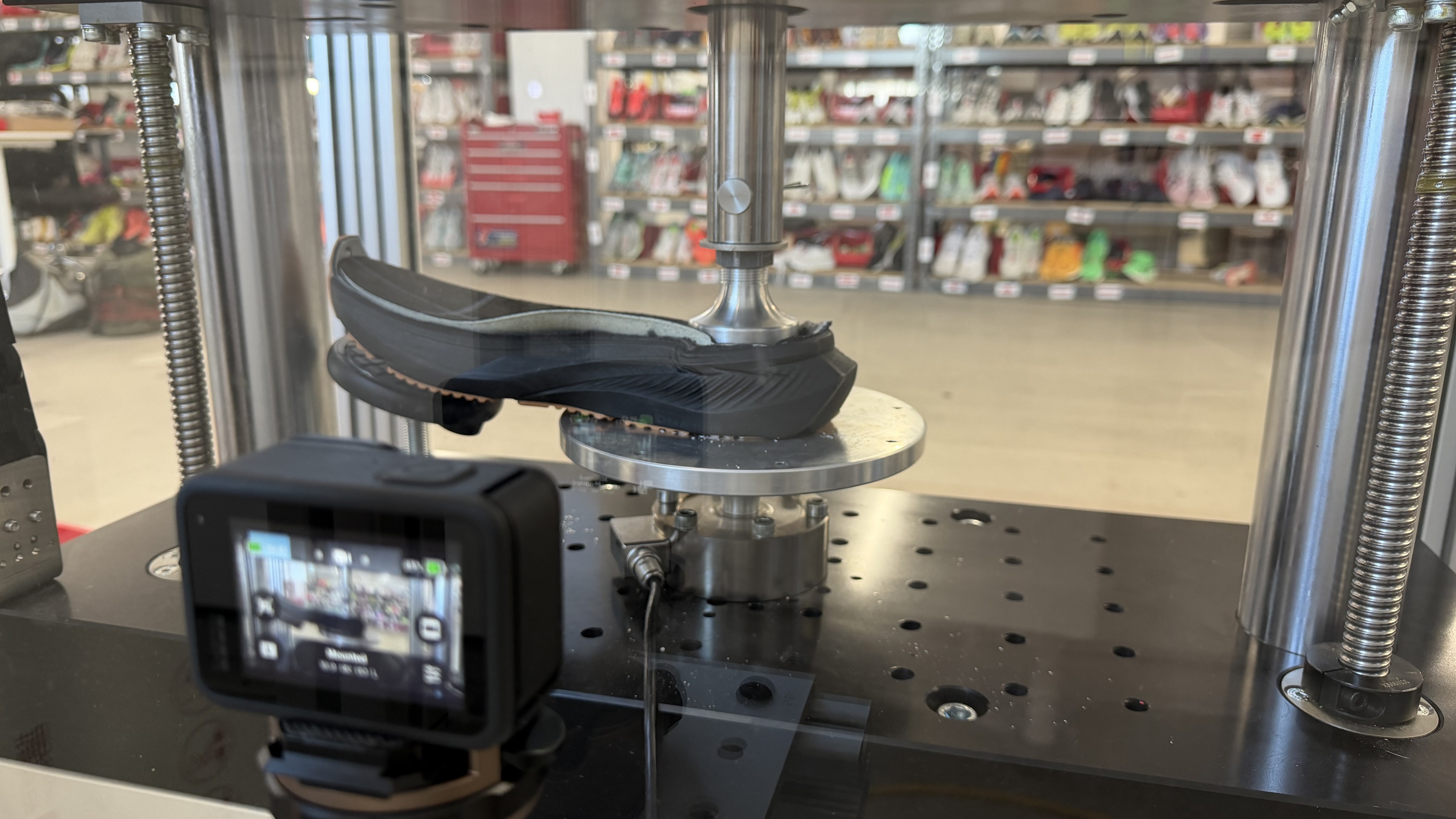
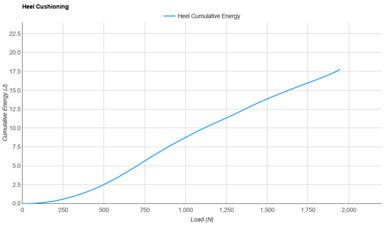
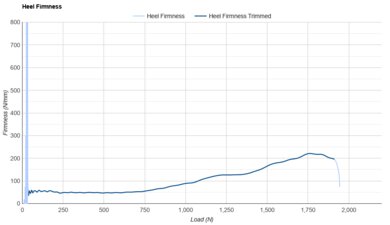
The Brooks Glycerin 23 has decent cushioning and is especially suited to heel strikers. The DNA Tuned foam is indeed tuned to be plusher and more absorbent under the heel, and it soaks up impact with ease, even from heavier heel strikers. The forefoot cushioning is tuned to be denser, and thus less absorbent, making it uncomfortable over longer distances.
Heel cushioning holds up well under heavy impact.
Forefoot bottoms out over longer distances.
The Brooks Glycerin 23 is decently stable, despite its taller stack height and softer foam. The base of the shoe is wide enough to provide a stable foundation, and the denser foam under the forefoot gives a solid foundation for pushing off. But runners who have pronation issues might want to consider the GTS version of this shoe, which has raised sidewalls to limit their foot's lateral movement.
Wide platform gives shoe inherent stability.
Forefoot is firm enough for strong push-offs.
Soft foam under heel can feel wobbly.
The Brooks Glycerin 23 has a good fit, with true-to-size length and good volume through the forefoot. The arch is a bit narrow, so runners with wider feet should consider the Wide or Extra Wide versions of the shoe. Otherwise, most runners can safely buy their regular size.
Appropriate length.
Good internal volume in the forefoot.
Performance Usages
Changelog
- Updated May 26, 2026: We've converted this review to Test Bench 0.11, adding two new rocker measurements to the Design section, and three new responsiveness tests to the Performance section. The Energy Return usage score has been replaced with Responsiveness. Check out the details in our changelog.
- Updated Apr 08, 2026: Review published.
- Updated Apr 03, 2026: Early access published.
- Updated Mar 02, 2026: Our testers have started testing this product.
Differences Between Sizes And Variants
We purchased and tested this shoe in a men's US size 9, as shown here on the label of our pair. The pair we bought is in the Black/Ebony/Biscuit colorway, and the shoe is available in a variety of other colorways depending on your region. The shoe is available in Wide and Extra Wide in both men's and women's versions. The design section applies only to the exact model we tested, but we expect other sizes to perform similarly.
Popular Running Shoe Comparisons
The Brooks Glycerin 23 is a comfort-focused daily trainer that continues both the Glycerin series' legacy of plush cushioning and Brooks' slow and steady approach to tweaking their models. That gradual iterative approach makes the Glycerin 23 a solid, dependable choice of daily trainer, but it does lag behind more ambitious competitors in some key areas. Runners who want a comfortable daily trainer with more stack height and cushioning should consider the ASICS GEL-NIMBUS 28 or the Nike Vomero 18. Runners who want a good level of cushioning in a daily trainer without sacrificing energy return might prefer the Saucony Triumph 23 or the Saucony Ride 19.
Within Brooks' lineup, the Glycerin 23 sits at the center of a rapidly expanding Glycerin universe. There is now a Brooks Glycerin Flex, which has the same DNA Tuned foam, but segmented into multiple pods that allow the foot more freedom of movement. There's the Brooks Glycerin Max 2, which goes the opposite direction, packing more foam underfoot into a towering platform of cushioning. Finally, there's the Brooks Glycerin GTS 23, which has a similar geometry and fit to the Glycerin 23, but adds raised sidewalls to correct overpronation.
For more options from the brand, check out our recommendations for the best running shoes from Brooks. If you want to explore other brands, check out our picks for the best running shoes, and if you're looking to increase your mileage and want a shoe that's better suited to go the distance, check out our recommendations for the best long-distance running shoes.
The Brooks Glycerin 23 and Brooks Ghost 17 are two of the Seattle-based brand's most popular daily trainers, and both cater primarily to heel strikers. The Ghost is the firmer shoe, offering less cushioning but better stability. The Glycerin is softer and more plush, but the extra cushioning makes the shoe heavier. Runners who want a more traditional ride, with some ground feel, will likely prefer the Ghost 17. For runners who prioritize comfort, the Glycerin 23 is the better choice.
The Brooks Ghost Max 3 and Brooks Glycerin 23 are two similarly stacked, decently cushioned running shoes from Brooks, but with a few key differences. The Glycerin has 2mm more drop from the heel to the toe than the Ghost Max, and has much better heel cushioning. Conversely, the Ghost Max has more cushioning under the forefoot. The platform of the Glycerin is slightly more streamlined, which makes it feel more nimble, and it has much better energy return, although neither shoe is particularly bouncy. The Glycerin feels better suited to running, while the Ghost Max is better suited for walking.
The HOKA Clifton 10 and Brooks Glycerin 23 are both comfort-forward daily trainers, but they deliver different ride experiences. The HOKA has slightly more stack, better heel and forefoot cushioning at step-in, and a lighter build, making it a good option for shorter, relaxed mileage. The Brooks shoe has the brand's more traditional feel, with a thick upper, a familiar daily-trainer ride, and slightly better forefoot cushioning retention over longer distances. However, neither shoe is exceptional in this regard. It's heavier and less cushioned overall, but may appeal more to runners who prefer a conventional Brooks trainer over HOKA's softer, higher-stack feel.
The HOKA Bondi 9 and Brooks Glycerin 23 are both comfort-focused daily trainers, but they take very different approaches. The HOKA is the lighter, higher-stack option, with much better cushioning and noticeably more rebound under both the heel and forefoot. It feels more protective and more capable across daily miles, longer runs, and recovery efforts. The Brooks, meanwhile, is the more traditional workhorse: firmer, less cushioned, and far less energetic, but with a familiar ride that suits runners who want something predictable for easy runs or walking.

We buy and test running shoes with a very data-oriented approach. While we're just getting started, our methodology already has dozens of tests to help you make the right purchasing decision for your needs. Not only do we use high-end equipment to gather objective data, but we also order multiple sizes of the same shoes so team members can log in miles. This real-world testing is conducted at various paces and conditions, across different types of workouts, to cover all the bases. This allows us to verify our results and ensure they align with what you might feel with a specific pair.
Test Results