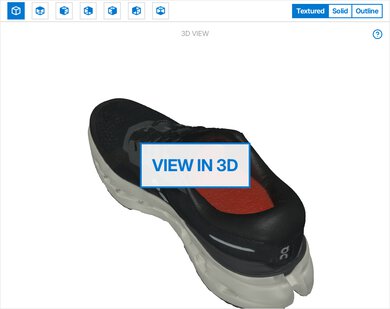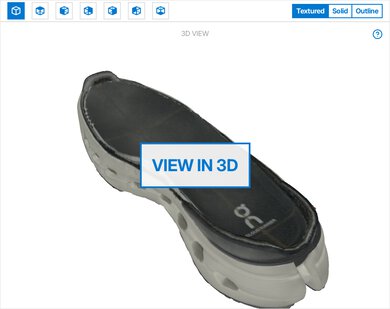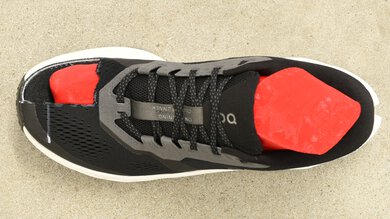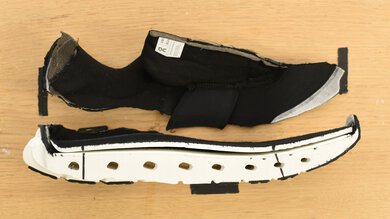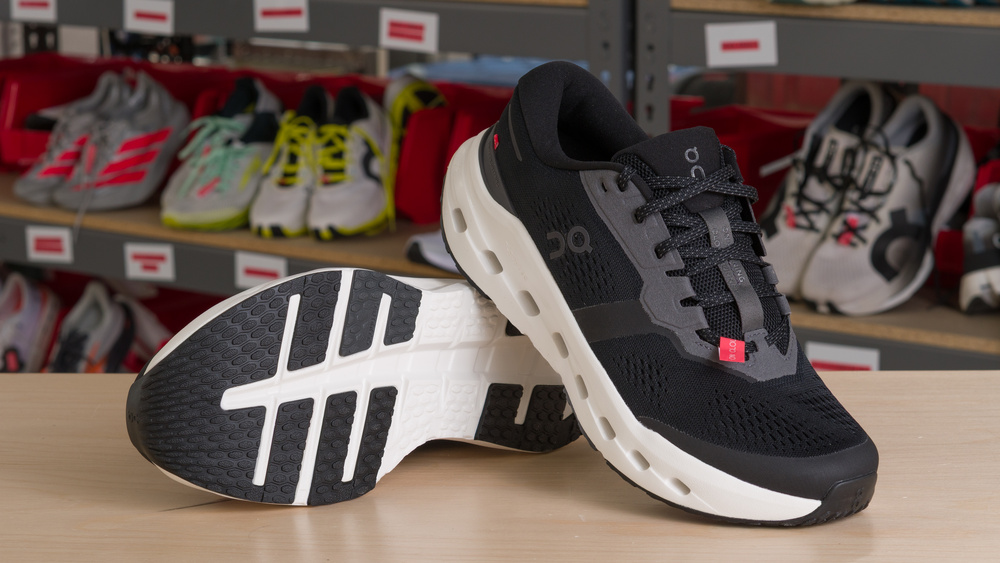
The On Cloudrunner 3 is a stability-focused daily trainer designed for easy jogs and a mix of walking and running. It uses a structured heel clip, raised sidewalls, and a firm midsole to create a very stable, controlled ride that helps guide the stride forward. The rocker does most of the work in moving the shoe forward, but the ride itself still doesn't feel especially smooth or fluid. Unless you really need that extra stability to guide your stride, though, it's a harder sell, as it remains very firm underfoot, something On is becoming (in)famous for.
Our Verdict
The On Cloudrunner 3 is not designed for racing, and that shows clearly in how it performs over longer distances. While its high level of stability help keep your stride in control as fatigue sets in, the ride lacks some cushioning depth and, more importantly, the energy return and nimbleness needed to maintain efficiency over time. The midsole compresses without giving much back, so efforts feel more taxing, making it a poor choice for sustained racing efforts.
Very stable platform with light guidance features.
Midsole feels very dull and unresponsive.
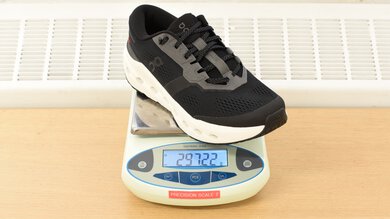
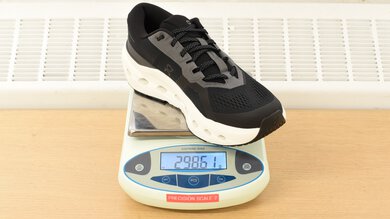
Too heavy and cumbersome for racing.
Cushioning bottoms out under higher forces and over longer runs.
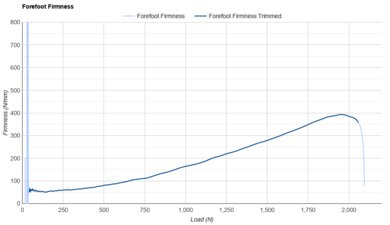
The On Cloudrunner 3 isn't well-suited for 5K and 10K racing. The non-responsive Helion midsole and heavy feel make it hard to run efficiently at faster paces. While the firm forefoot can provide a bit of structure when pushing off, the lack of snap and energy return means a competitive runner will struggle to keep up with the demands of faster races.
Midsole feels very dull and unresponsive.
Too heavy and cumbersome for racing.
Ride lacks snapiness for faster efforts.
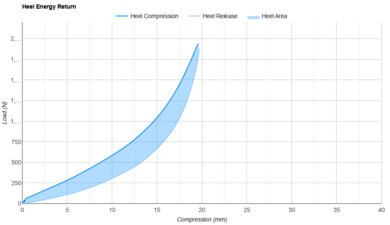
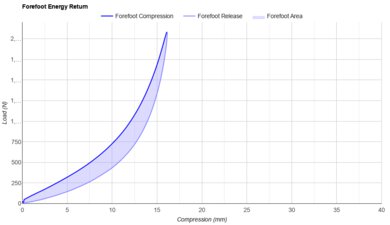
The On Cloudrunner 3 delivers very poor energy return. The midsole absorbs impact but gives back very little, resulting in a dull, lifeless ride. Because of that, transitions rely heavily on the rocker geometry rather than any inherent bounce from the foam. This makes the shoe feel inefficient, especially when trying to run at anything beyond easy paces.
Midsole feels very dull and unresponsive.
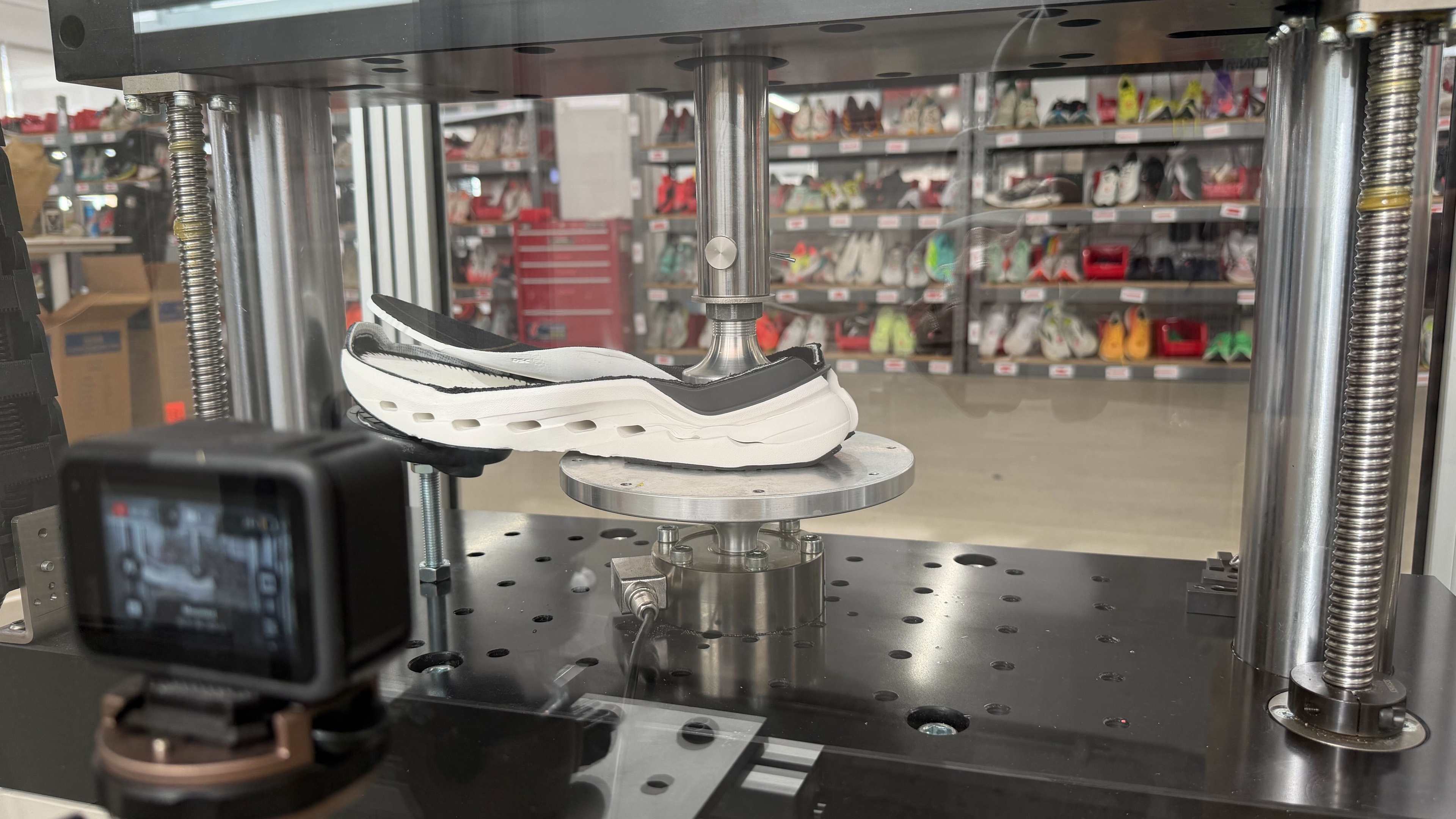
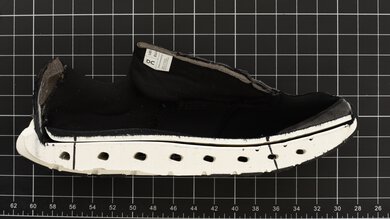
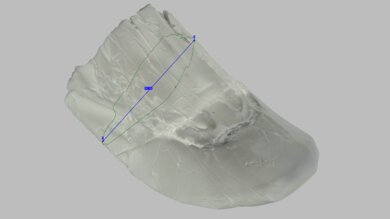
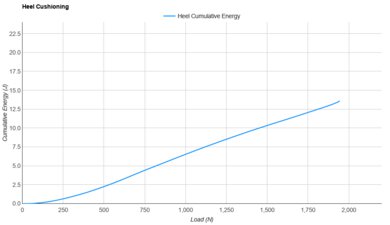
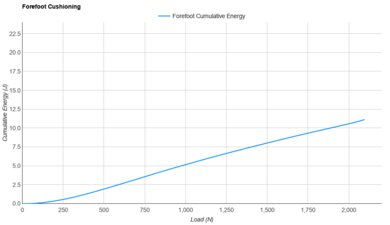
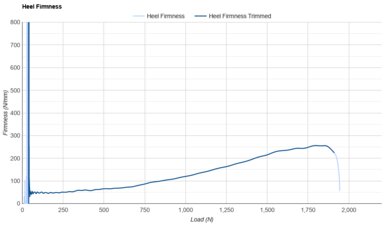
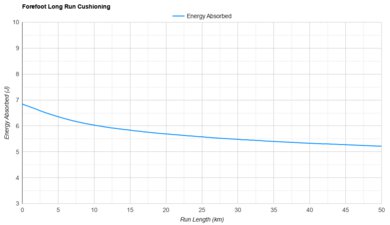
The On Cloudrunner 3 has mediocre cushioning overall. Under easier forces, it provides a decent amount of underfoot protection, but runners who apply a lot of force will compress the CloudTec pods fully, and once those holes in the midsole are packed, the shoe no longer feels very protective and bottoms out quite noticeably. To add insult to injury, the cushioning doesn't hold up especially well over time, so the ride can start to feel harsh and less forgiving as the miles add up.
Decent forefoot protection under low forces.
Cushioning bottoms out under higher forces and over longer runs.
The On Cloudrunner 3 offers great lateral stability. Its wide platform, firm midsole, and supportive elements create a very planted and controlled ride. It does a great job keeping your foot centered and guiding your stride, making it a strong option for runners who need that extra stability and reassurance.
Very stable platform with light guidance features.
Semi-gusseted tongue helps create secure lockdown.
The On Cloudrunner 3 fits true to size with a very consistent and accommodating shape. Length is accurate, and both the forefoot and arch offer a comfortable amount of space without compromising lockdown. Therefore, you can confidently stick to your usual size for an optimal fit.
Fits true to size overall.
Accommodating forefoot and arch fit.
Performance Usages
Differences Between Sizes And Variants
We tested the On Cloudrunner 3 in men's U.S. size 9, as noted on the label for our pair. Our pair is the Black | Ivory colorway. This model is also available in several other colorways, including White | Glacier and Heather | Marsh, though availability can vary by region and retailer. There are wide versions offered for both men and women. The design section applies only to the exact pair we tested, but we expect other sizes and gender variants to perform similarly.
Popular Running Shoe Comparisons
The On Cloudrunner 3 is a basic daily trainer with mild stability features, built mainly for runners trying to keep their foot centered and secure for easy miles. In the broader market, it claims to blend guidance with everyday comfort, much like the Nike Structure Plus or Saucony Hurricane 25. The difference is that those two shoes support that positioning with significantly more stack height and cushioning, so they feel both stable and protective. Meanwhile, the Cloudrunner 3 mostly feels stable because it sits lower and uses a firmer (but harsher) midsole tuning. Therefore, it ends up feeling more similar to traditional stability shoes like the ASICS GT-2000 14 and the Nike Structure 26.
Within On's lineup, the Cloudrunner 3 is the brand's dedicated support trainer. The On Cloudsurfer 2 is the more classic, neutral daily trainer, while the On Cloudmonster 3 is a higher-stacked, better cushioned daily trainer. The On Cloudmonster 3 Hyper goes even further (and taller) into max-stack territory, with the most cushioned ride of any On trainer. That leaves the Cloudrunner 3 as a shoe that mainly makes sense for runners who specifically want some heel-oriented guidance and a very controlled ride. That said, in practice, most runners will likely have a more enjoyable experience in other models from the brand's lineup.
For more options, check out our recommendations for the best running shoes, as well as the best long-distance running shoes, and the best shoes for running a marathon.
The On Cloudrunner 3 and HOKA Gaviota 6 are two support trainers from popular brands, but they deliver guidance and comfort in very different ways. The HOKA relies on its H-Frame system, a firmer foam structure shaped like an H that adds support on both sides of the foot. It is also higher stacked and more protective while still being lighter, which makes it a more capable option overall. The On uses a structured heel clip and raised sidewalls to guide the foot, with the support feeling more focused at the rearfoot and more reliant on firmness to control movement.
The On Cloudrunner 3 and Saucony Guide 18 are two support trainers, but they approach their role quite differently. The Saucony uses a much wider platform, which makes it feel more substantial underfoot, even though it is slightly lighter. Its midsole is also a bit more cushioned, which adds protection without sacrificing control, resulting in a more stable and more complete ride overall. The On relies more on a structured heel clip and raised sidewalls, with a firmer, more rearfoot-focused approach to guidance that feels less forgiving and less well-rounded.
The On Cloudrunner 3 and Saucony Hurricane 25 are similarly weighted support trainers, but they reflect very different design philosophies. The Saucony is higher stacked and more cushioned, yet still manages to feel stable thanks to its platform and midsole design, while also offering a bit of liveliness that makes the ride feel more modern and less dull. The Cloudrunner 3 feels more stable overall, with a lower stack and more ground feel, but that comes with a firmer, harsher ride that is less comfortable over longer sessions.
We buy and test running shoes with a very data-oriented approach. While we're just getting started, our methodology already has dozens of tests to help you make the right purchasing decision for your needs. Not only do we use high-end equipment to gather objective data, but we also order multiple sizes of the same shoes so team members can log in miles. This real-world testing is conducted at various paces and conditions, across different types of workouts, to cover all the bases. This allows us to verify our results and ensure they align with what you might feel with a specific pair.
Test Results