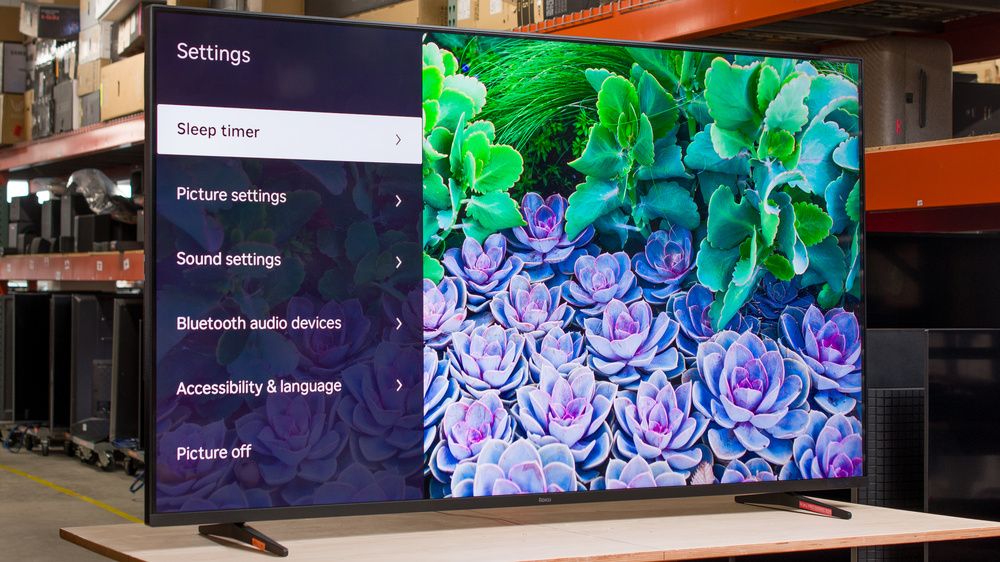
The Roku Pro Series 2025 sits at the top of Roku's TV lineup, above the 2025 versions of the Roku Plus Series and Roku Select Series. It's a Mini LED model with local dimming, and supports Dolby Vision and HDR10+. It has two ports with HDMI 2.1 bandwidth for 4k @ 120Hz gaming with VRR. It runs version 15 of the Roku TV OS, which provides access to a vast catalog of applications and supports smart features like voice control. It comes with a motion-activated, backlit remote, and if you lose it, the TV features a remote-finder function. We bought and tested the 65-inch model, but it's also available in 55 and 75-inch sizes.
Our Verdict
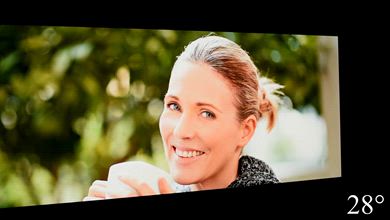
The Roku Pro Series TV is decent for mixed usage. The TV is more than bright enough to overcome glare from indirect light sources in bright rooms, but direct reflections are distracting. It looks quite good in home theaters and other dark spaces due to its very good black levels, and highlights stand out well in HDR content. It has the modern gaming features needed for full compatibility with today's consoles, although there's visible motion blur in faster games. Unfortunately, the TV's narrow viewing angle means it's not suitable for wide seating arrangements.
Amazing SDR brightness makes it suitable for bright rooms.
Good color vibrancy overall.
Good contrast for deep blacks.
HDMI 2.1 bandwidth, 4k @ 120Hz, and VRR.
Poor handling of direct reflections.
Narrow viewing angle.
The Roku Pro Series TV is good for a home theater. It has good contrast and zone precision, so blacks are deep with only some minor haloing around subtitles and highlights. The TV is bright enough in HDR to make highlights pop, and colors are vibrant, making HDR content impactful. It has good motion handling, with a quick response time, and it removes judder from most sources. However, it has poor PQ EOTF tracking, so most of the image is over-brightened in HDR, meaning it doesn't stay true to the filmmaker's intent. Unfortunately, its upscaling and low-quality content smoothing are only alright, so it's best to stick to high-quality sources when possible.
Accurate colors in SDR out of the box.
Good color vibrancy overall.
Good contrast for deep blacks.
Good zone precision means haloing is kept to a minimum.
Most content is judder free.
HDR content is brighter than intended due to poor PQ EOTF tracking.
Sub-par HDR color accuracy.
Is only alright at cleaning up low-quality content and upscaling.
The Roku Pro Series TV is very good for a bright room. It easily handles glare from indirect lighting in very bright rooms due to its amazing SDR brightness. On the other hand, its screen coating doesn't do much to lessen the intensity of direct reflections, so it's best to avoid placing the TV screen in front of any lamps or windows. Fortunately, its black levels and color saturation barely change in a well-lit room, so you don't have to trade in much image quality when you flip your lights on.
Amazing SDR brightness makes it suitable for bright rooms.
Blacks remain deep and colors stay vibrant in a room with ambient lighting.
Poor handling of direct reflections.
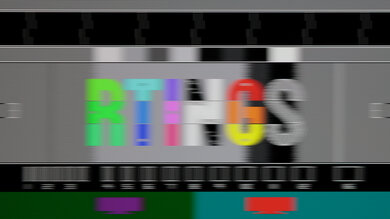
The Roku Pro Series TV is good for watching sports. The TV's amazing SDR brightness means it easily overcomes glare from indirect lighting, but it has poor handling of direct reflections, so any windows directly facing the TV on a sunny day cause mirror-like reflections. It has a relatively fast response time when watching content, but there's still some motion blur in fast-paced sports. Unfortunately, the corners of the screen are dimmer than the rest of the image, and there's visible dirty screen effect towards the center. It has a narrow viewing angle, making it unsuitable for wide seating arrangements. There are also a few noticeable color artifacts as colors change rapidly on the screen.
Amazing SDR brightness makes it suitable for bright rooms.
Accurate colors in SDR out of the box.
Good color vibrancy overall.
Blacks remain deep and colors stay vibrant in a room with ambient lighting.
Poor handling of direct reflections.
Dirty screen effect and dim corners.
Narrow viewing angle.
Some minor color artifacts.
The Roku Pro Series TV is good for gaming. It has HDMI 2.1 bandwidth, 4k @ 120Hz, and VRR, so it's fully compatible with modern gaming consoles. Gaming feels responsive due to the TV's low input lag, but since it has only okay pixel transitions, there's visible motion blur in fast-paced games. Fortunately, it has solid image quality with deep blacks, vibrant colors, and decent HDR brightness, so games look quite good.
Good color vibrancy overall.
Good contrast for deep blacks.
HDMI 2.1 bandwidth, 4k @ 120Hz, and VRR.
Low input lag.
Sub-par HDR color accuracy.
The Roku Pro Series TV has very good brightness. It has amazing SDR brightness, so it overcomes glare from indirect lighting in very bright rooms. The TV's HDR brightness is good enough for highlights to stand out in most HDR content, which makes HDR movies, shows, and games impactful.
Amazing SDR brightness makes it suitable for bright rooms.
The Roku Pro Series TV has very good black levels. It has good contrast and zone precision, so blacks are deep with only minor haloing around highlights and subtitles. The TV's black uniformity is essentially perfect with local dimming enabled, so blacks are even across the screen in dark scenes.
Good contrast for deep blacks.
Good zone precision means haloing is kept to a minimum.
Excellent black uniformity.
The Roku Pro Series TV has good colors overall. Its color volume in SDR and HDR is good enough for a vibrant viewing experience. The TV has excellent color accuracy in SDR out of the box, so colors mostly look as they should. Unfortunately, its HDR color accuracy out-of-the-box is sub-par, so colors don't look the way they should in HDR content.
Accurate colors in SDR out of the box.
Good color vibrancy overall.
Sub-par HDR color accuracy.
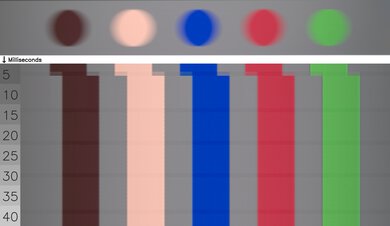
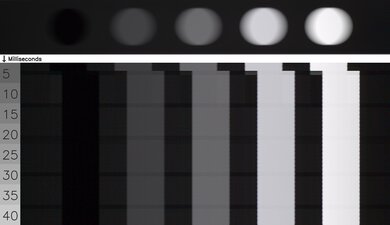
The Roku Pro Series TV has good motion handling when watching content. It's completely judder-free from most sources; only 25p content played on an external player still has judder. It also has a quick response time and smooth transitions for the most part, but there are some minor color artifacts. Due to its quick response time, there's some noticeable stutter in slow panning shots. Unfortunately, its motion interpolation feature can't reduce stutter without adding noticeable soap opera effect.
Most content is judder free.
Quick response time.
Noticeable stutter that can't be reduced without adding soap opera effect.
Some minor color artifacts.
The Roku Pro Series TV has good responsiveness in its dedicated gaming mode. It has modern gaming features like HDMI 2.1 bandwidth, 4k @ 120Hz, and VRR, so it takes full advantage of the features offered by modern consoles. Its input lag is low, which helps make gaming feel responsive; however, the TV's pixel response times are only average, resulting in visible motion blur that's especially noticeable in fast-paced games.
HDMI 2.1 bandwidth, 4k @ 120Hz, and VRR.
Low input lag.
Note: We're in the process of improving our tests related to image processing, but this score should give you a general idea of how a TV performs overall with its image processing capabilities.
The Roku Pro Series TV has mediocre image processing. It only does an alright job upscaling and cleaning up low-quality content, so low-resolution content looks a bit soft, and low-bitrate content has visible artifacts. It has very good HDR gradient handling, so you don't see much banding at all in most gradients. Unfortunately, the TV has poor PQ EOTF tracking, so HDR content isn't presented at the brightness level intended by the filmmaker.
Very good gradient handling.
HDR content is brighter than intended due to poor PQ EOTF tracking.
Is only alright at cleaning up low-quality content and upscaling.
Performance Usages
Changelog
-
Updated Mar 13, 2026:
We added text to our new Cinematic Motion Handling performance usage and our new Transition Artifacts and Stutter Reduction Via Interpolation test sections after converting the review to TV 2.2.
- Updated Mar 10, 2026: This review has been updated to TV 2.2. We've added new sections for Transition Artifacts and Stutter Reduction Via Interpolation, and updated the way we test Stutter. Additionally, we removed the 'Broken' disclaimer from our Motion Handling usage.
- Updated Feb 05, 2026: We added text to the new Micro-Judder section and refreshed the text in the updated Judder and Response Time Stutter sections after converting the review to TV 2.1.
- Updated Dec 05, 2025: Review published.
Check Price
Differences Between Sizes And Variants
We bought and tested the 65-inch Roku Pro Series 2025 (65R8C5), and most of our results should also be valid for the 55 and 75-inch models. The number of dimming zones varies by size, so overall black level performance may be slightly different depending on the size you select. In Canada, the model code has 'CA' tacked onto the end, but there's no difference in performance. There are no known variants of the TV.
| Size | US Model |
|---|---|
| 55" | 55R8C5 |
| 65" | 65R8C5 |
| 75" | 75R8C5 |
Our unit was assembled in Mexico, which can be seen on the label.
Popular TV Comparisons
The Roku Pro Series 2025 is a pretty good TV. It performs well overall, making it suitable for both bright and dark rooms, and offers modern features that cater to gamers. Unfortunately, it's somewhat hindered by its poor HDR accuracy, and calibrating the TV doesn't significantly improve it, so it's not a great choice if you're concerned about preserving the filmmaker's intent in HDR. It also has mediocre image processing, which means it's not a great option if you frequently watch low-resolution and low-quality content. It outperforms similarly priced models like the Samsung QN80F, but you can get better image quality from TVs like the TCL QM7K and Hisense U75QG. However, if you want a TV that runs Roku's smart OS but still want good image quality and many features, the Roku Pro Series 2025 is a solid choice.
See our recommendations for the best smart TVs, the best movie TVs, and the best Mini LED TVs.
The TCL QM7K is better than the Roku Pro Series 2025. The TCL displays deeper blacks, so it looks better in a dark room. The TCL does a better job cleaning up low-quality content and upscaling low-resolution content, and it displays HDR content at a more accurate brightness level. Additionally, the QM7K offers 4k @ 144hz and 1080p @ 288Hz, and it has less motion blur, so it offers more for gamers.
The Roku Pro Series 2025 and the Roku Pro Series 2024 are very similar. The 2025 model offers significantly improved SDR color accuracy out of the box, performs better in upscaling and refining low-quality content, and exhibits slightly less banding in gradients. On the other hand, the 2024 model displays deeper blacks with a bit less haloing and has the edge with color volume.
The Hisense U75QG is better than the Roku Pro Series 2025. The Hisense is brighter in SDR and has superior reflection handling, so it overcomes even more glare in very bright rooms. The Hisense is also brighter in HDR, meaning highlights in HDR content stand out more. Blacks are deeper on the Hisense, and colors are more vibrant, so it provides a punchier image. Additionally, the Hisense has better image processing and offers a few more features for gamers.
The Roku Pro Series 2025 is better than the Samsung QN80F overall. The Roku is noticeably brighter in HDR, has superior black levels, and displays more vibrant colors, resulting in noticeably better image quality overall. However, the Samsung has better upscaling, and it has superior HDR color and brightness accuracy.

We buy and test dozens of TVs yearly, taking an objective, data-driven approach to deliver results you can trust. Our testing process is complex, with hundreds of individual tests that take over a week to complete. Most of our tests use specially designed test patterns that mimic real content, but we also use the same sources you have at home to ensure our results match the real-world experience. We use two main tools for our testing: a Colorimetry Research CR-100 colorimeter and a CR-250 spectroradiometer.
Test Results
for pictures & test results

for pictures & test results

for pictures & test results

for pictures & test results

for pictures & test results

for pictures & test results


for videos & test results




for pictures & test results


for pictures & test results
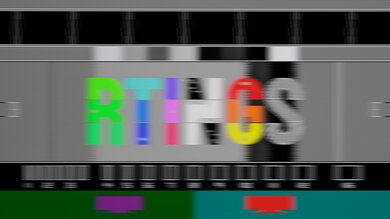


for pictures & test results

for pictures & test results

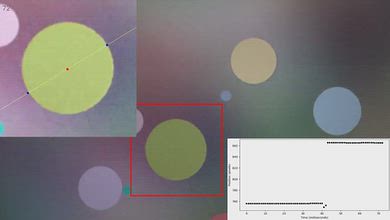

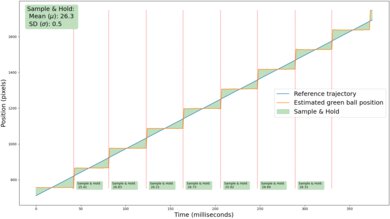
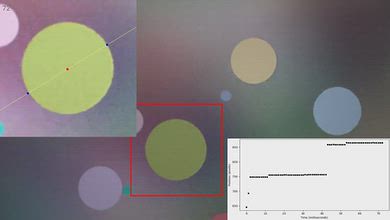

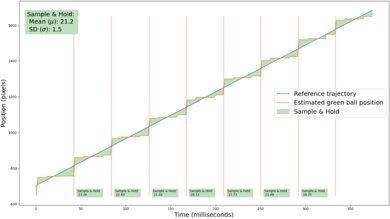
for pictures & test results
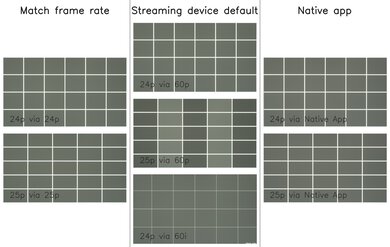
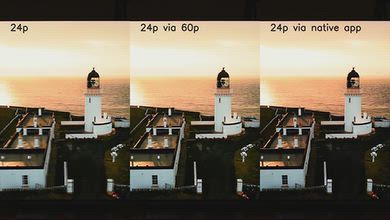
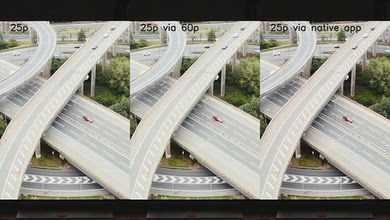





for pictures & test results



for pictures & test results


for pictures & test results
